Why the Second Generation Porsche 911 is the G-Series?
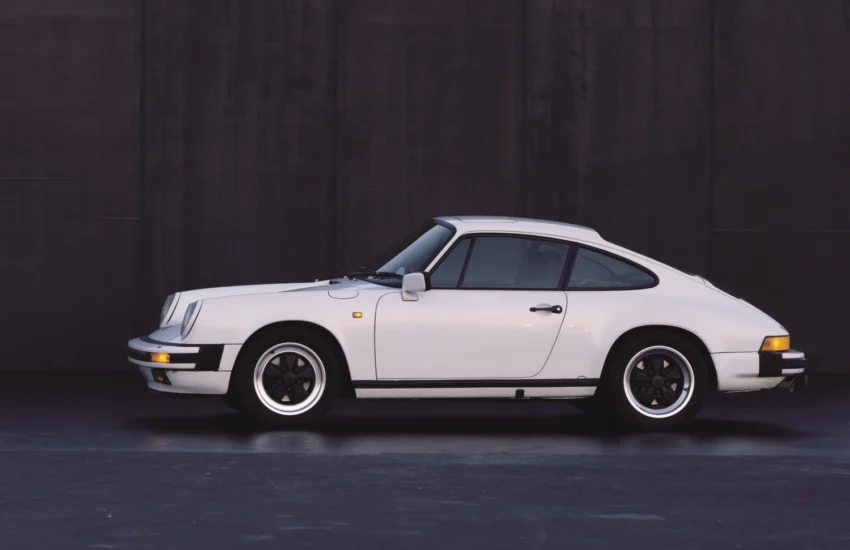
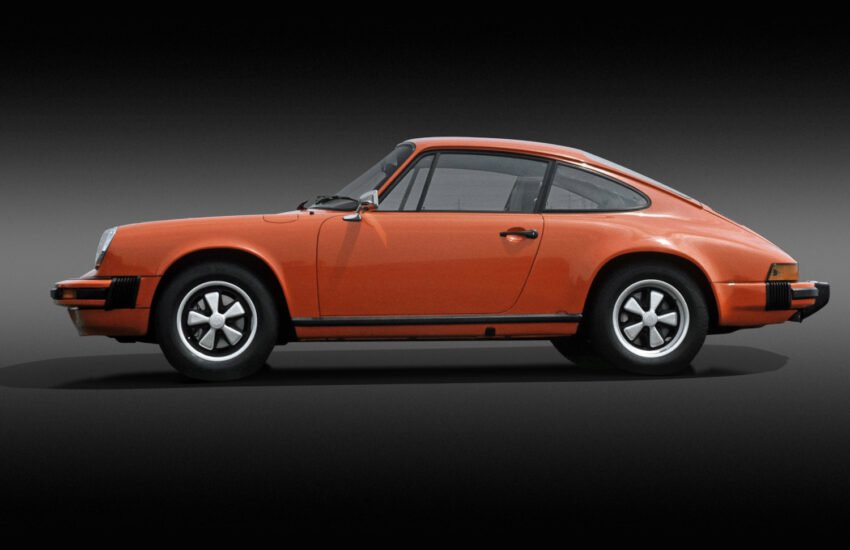
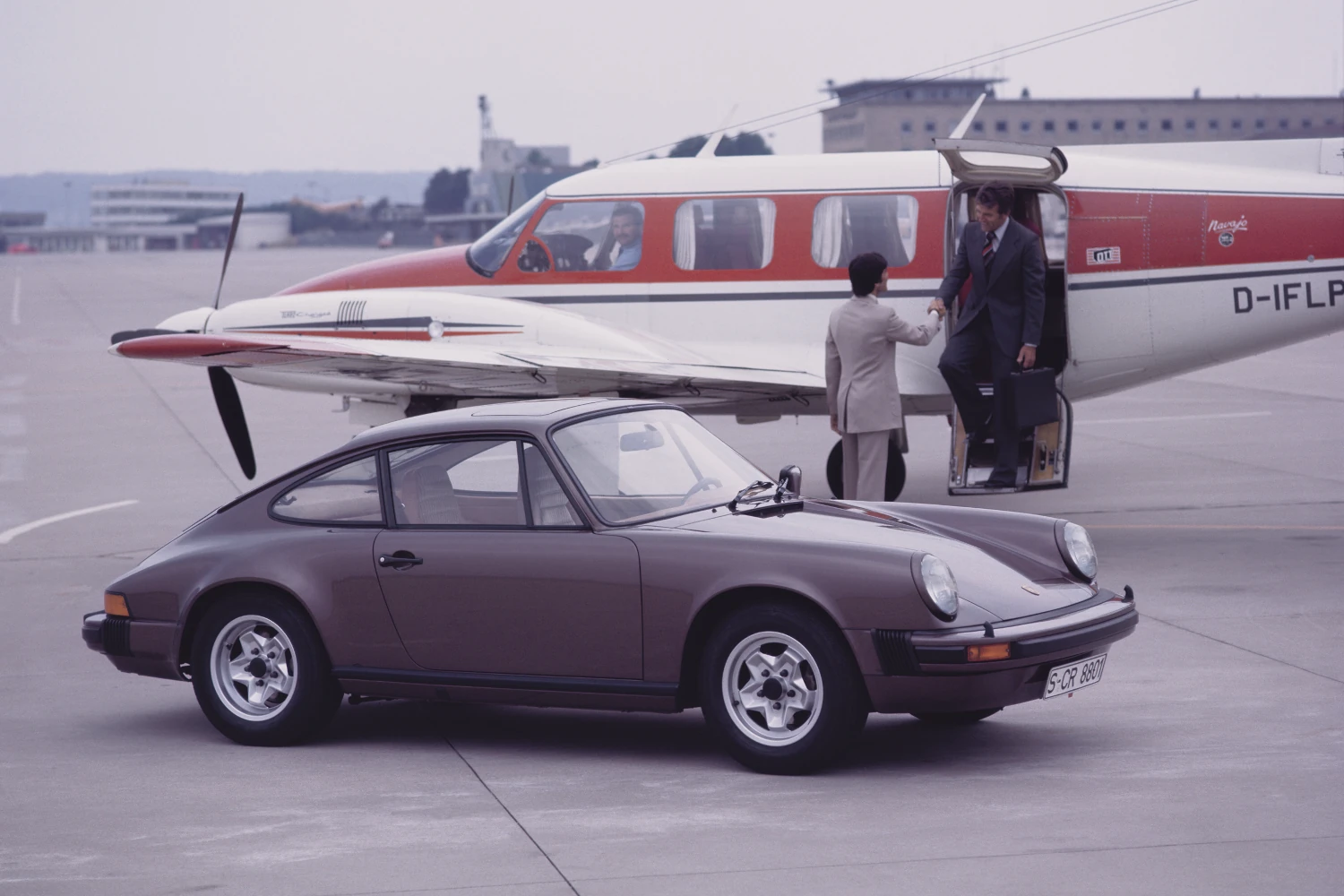
Porsche introduced the redesigned 911 for the 1974 model year. Although the car’s design looked familiar, the new model was was longer and more comfortable. Inside, comfortable seats with integrated headrests became standard. It also featured new bumpers with plastic bellows-style telescopic ends that could absorb impacts at up to 8 km/h (5 mph) without the body being damaged. This second generation 911 is known as the G-Series, but why. Let’s find out.
Why the Second Generation Porsche 911 is the G-Series?
The second generation Porsche 911 is commonly known as the G-Series. But why G? It might sound a bit random, unless you speak Porsche-language.
As you might already known, the 911 was originally introduced as the Porsche 901 at the 1963 Frankfurt Motor Show. After Peugeot claimed it owned exclusive rights to use three-digit car names with a “0” in the middle in France, Porsche renamed the car as 911.
The first model year’s (1965-1967) cars are known as the “O-Series. After the end of production of the O-series in July 1967, Porsche began using internal letter codes to identify each model year and development program. The first one was the A-series for the 1968 model year. And if we fast-forward to year 1974, we have the G-Series.
The G-Series
So to be precise, the G-Series designation only applies to the 1974 model year. The 1975 Porsche 911 was internally called the H-Series, in 1976 the J-Series, in 1977 the K-Series, and so on. From 1980 onwards, Porsche called the cars internally the A-Program, and in 1981 the B-Program…
However, the G-Series name stuck. Enthusiasts, journalists, and Porsche itself eventually began to use the G-Series as a term for the entire second generation. This is also the same reason why the first generation 911 is sometimes called the F-Series, although it only applies to the 1973 model.
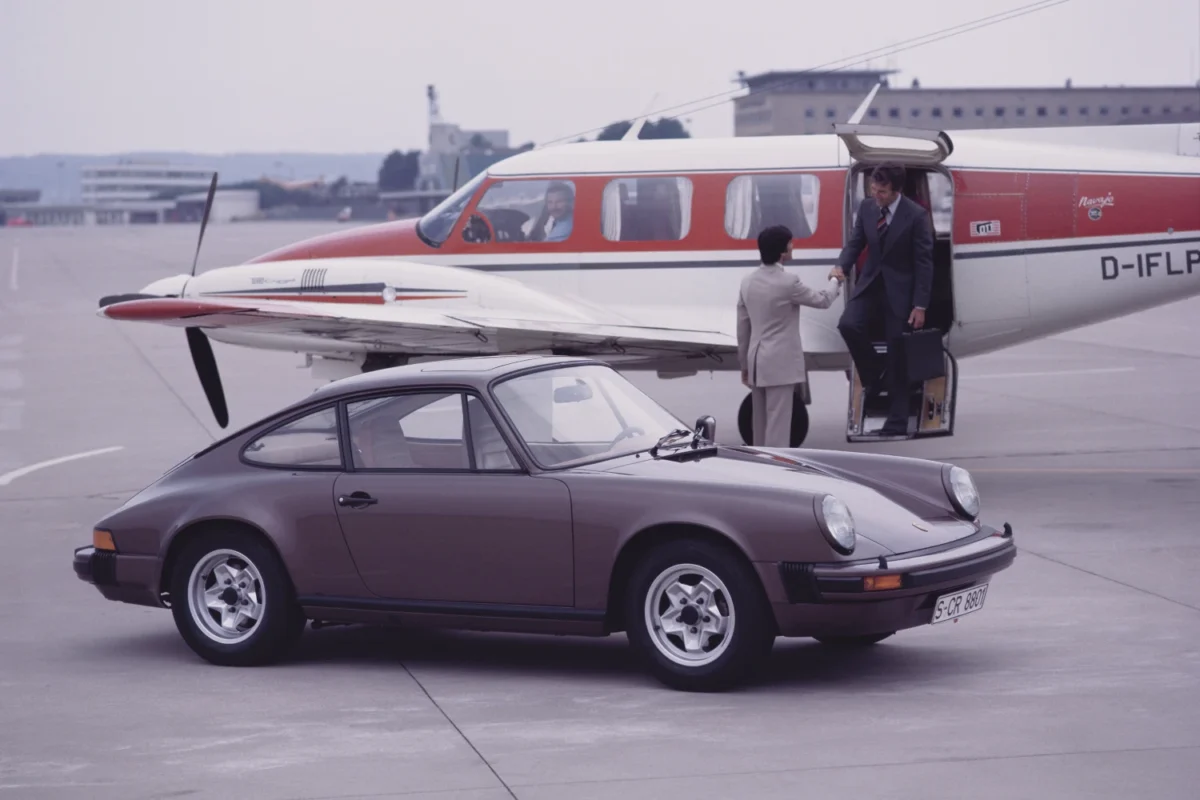
Image by Porsche