Porsche 911 Second Generation (1973-1989)
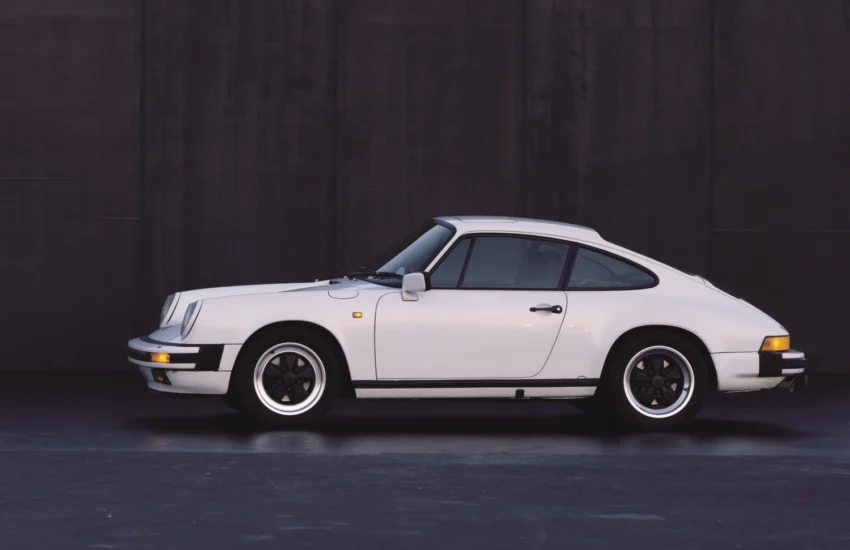
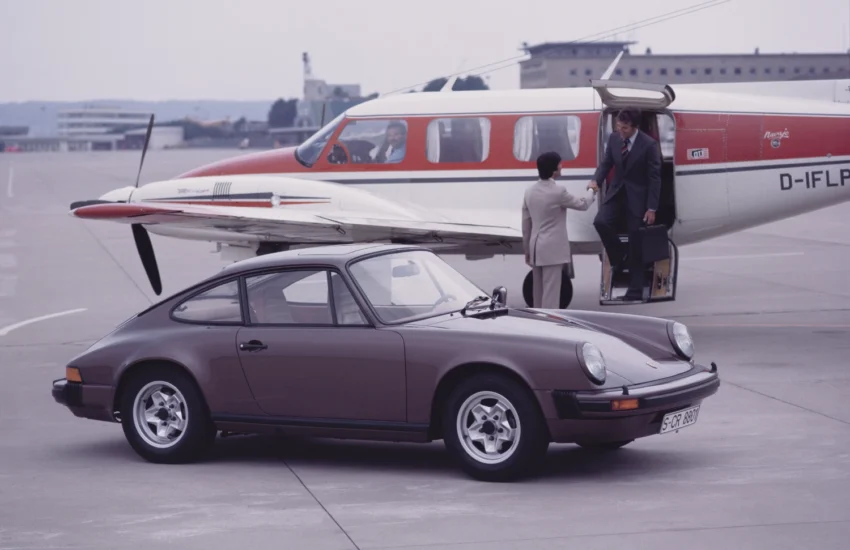
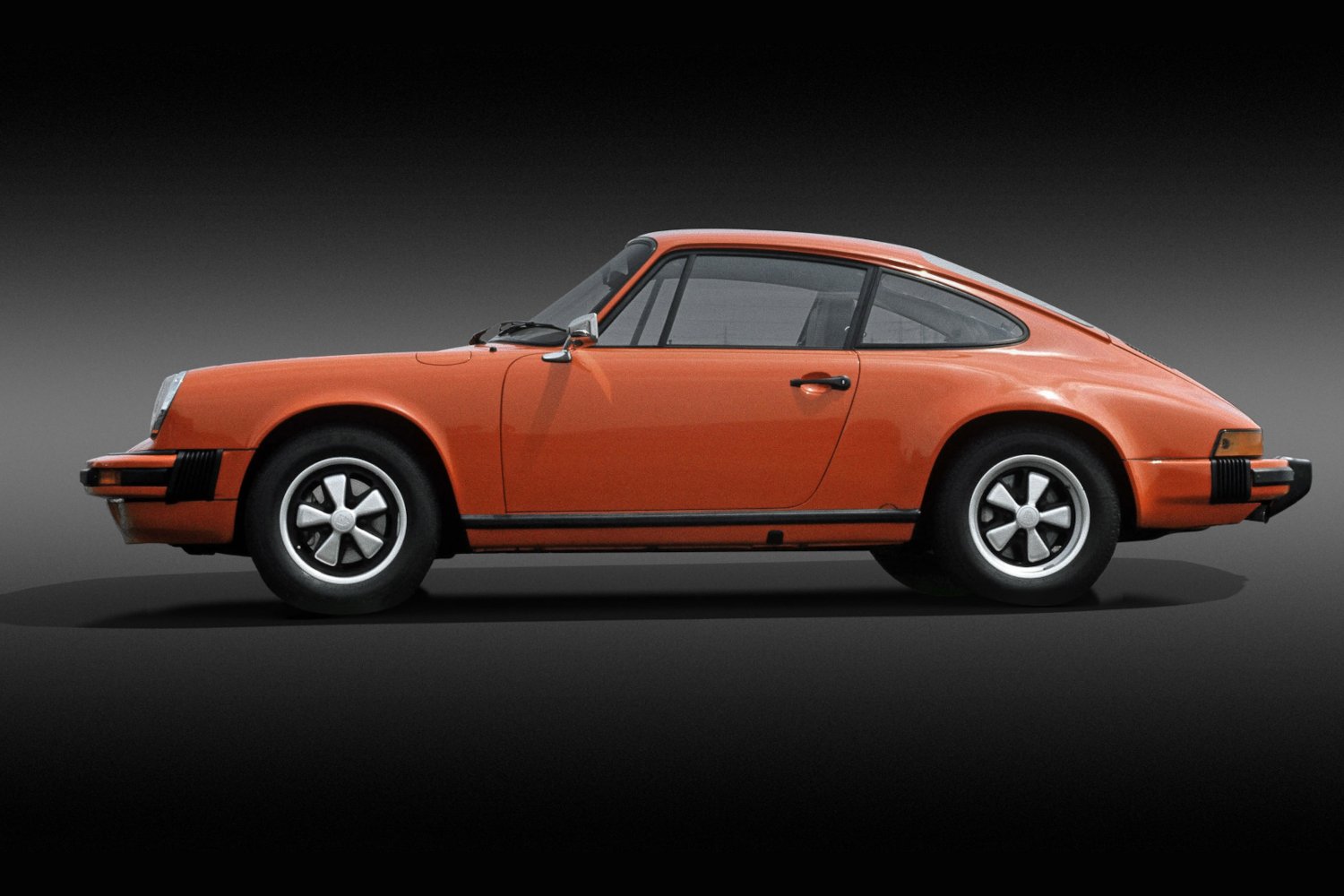
After producing the first generation 911 for ten years, Porsche unveiled a thoroughly redesigned sports car. The production of the second generation Porsche 911, known as the G-Series, began after the summer holidays in August 1973.
Porsche 911 Second Generation
The second generation was longer and more comfortable. New bumpers with plastic bellows-style telescopic ends met the strict US crash regulations and could absorb impacts at up to 8 km/h (5 mph) without the body being damaged. Inside, comfortable seats with integrated headrests and automatic seat belts became standard.
The new 911 benefited particularly from technical changes under the bonnet. From August 1973, Porsche equipped every 911 destined for Europe with a 2.7-litre six-cylinder engine, with power outputs from 110 kW (150 PS) or 129 kW (175 PS) to 148 kW (210 PS), depending on the variant. From 1975, Porsche also produced a four-cylinder version for the US called the Porsche 912 E. The Porsche 911 Turbo, available from 1974, was in a league of its own when it came to horsepower, with 191 kW (260 PS).
Porsche 911 Turbo
The 911 Turbo, the technological highlight and the forthcoming flagship model, was presented in October 1974 at the Paris Motor Show. The 3.0-litre fuel-injected turbocharged six-cylinder generated 260 PS and was released onto the road as a coupe in March 1975. Visually, the new car stood out from other 911 models thanks to a 12-centimeter wider body and a wide rear fender with a fiberglass-reinforced engine cover.
Porsche updated the 911 almost yearly basis, and not just technically. In 1975, Porsche improved the durability of its cars. In addition to the cavity protection measures that had been in place since 1969, the 911’s body and floor were now made of hot-dip galvanized sheet metal. Automatic heating control became standard on the 911 Carrera 3.0 and 911 Turbo models in 1976. This feature was also available as an option on the basic 911 model. Porsche also improved the anti-theft system and equipped the Carrera and Turbo with reinforced brakes.
Until August 1977, Porsche sold the 911 with a 2.7-liter six-cylinder engine and a narrow body. With the launch of the 911 SC in 1977, Porsche adopted the flared fenders of the previous naturally aspirated top model of the 911 range, the Carrera. The SC designation was an abbreviation for “Super Carrera”, so the Carrera name lived on, even though the car was no longer called that.
New Body Variants
Despite the difficult economic situation, Porsche remained committed to the 911, continuing to develop new model variants. In addition to the 911 coupe, in 1973 Porsche presented the 911 Targa as a safety-conscious cabriolet. In 1982, a Cabriolet version joined the coupe and Targa for the first time. This was an important step for the high-volume US market. The 911 Carrera Speedster followed in 1989.
The G-Series was built between 1973 and 1989. During that 16-year run, Porsche manufactured 198,496 cars. The end of the G-Series also brought an end to Porsche’s body production in the former Reutter plant, where final assembly of the Mercedes-Benz 500E would shortly commence. But the 911 story didn’t end there. The successor to the G-Series was already on the way in the form of the 964.
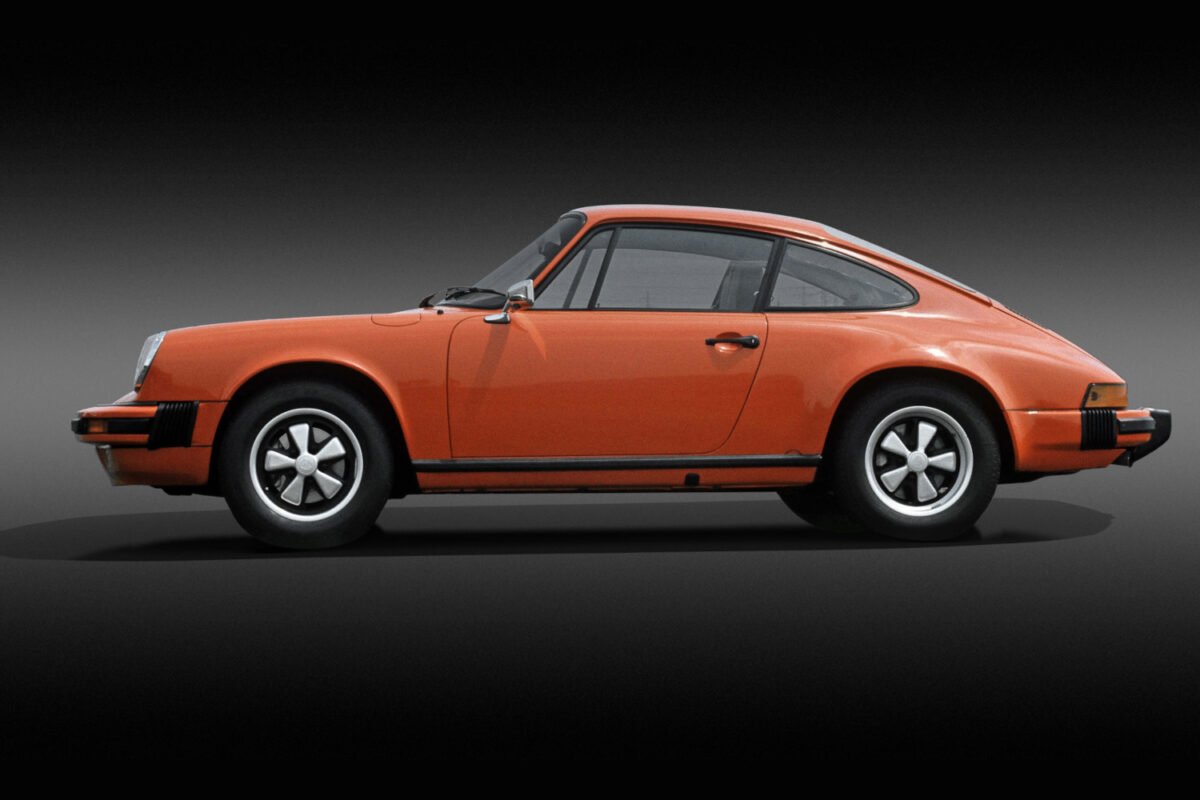
Porsche 911 Second Generation. Image by Porsche