What is the PCCC?
PCCC is an abbreviation for Porsche Ceramic Composite Clutch. The first car in the world to feature the PCCC was the 2004-2006 Porsche Carrera GT.
What is the PCCC?
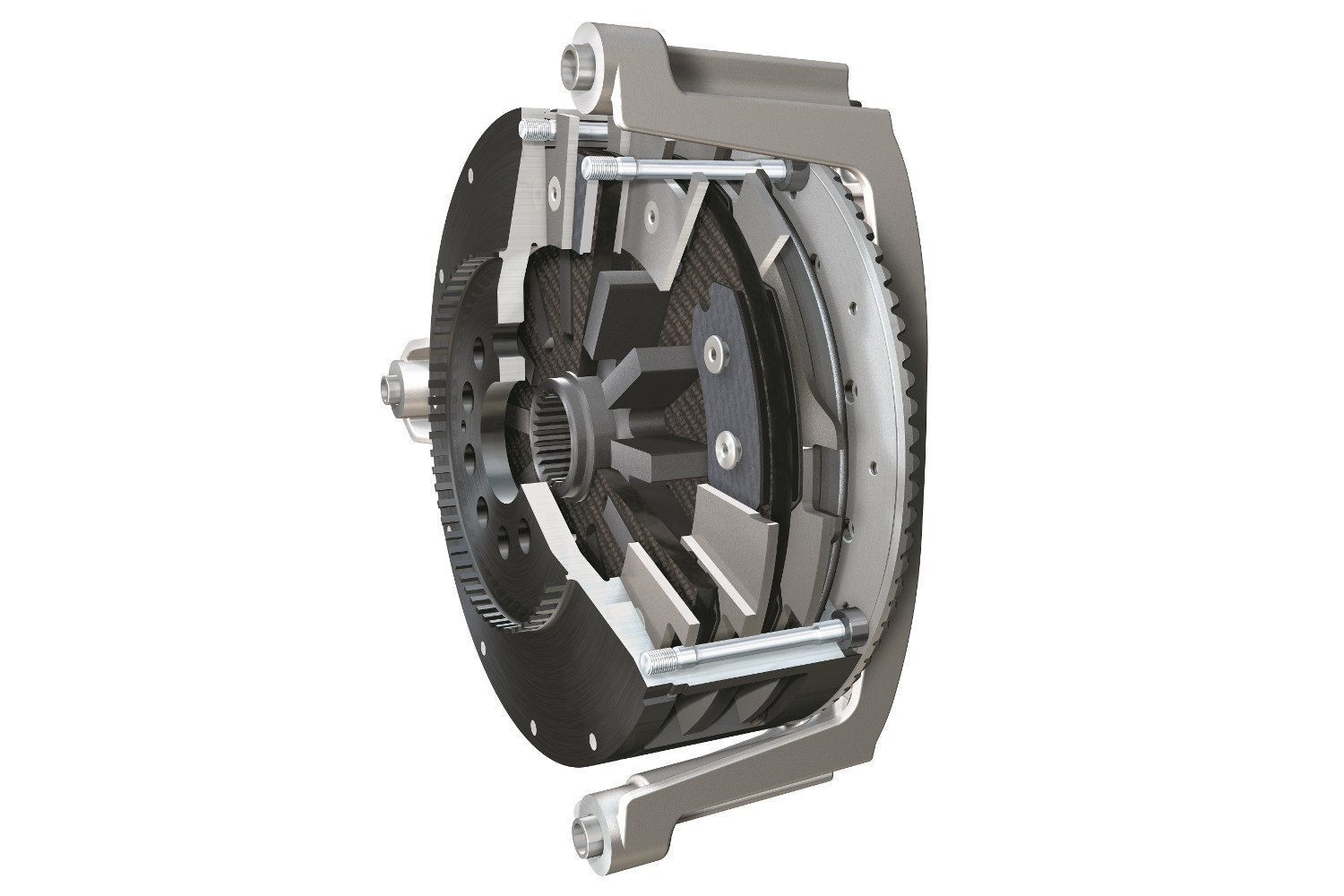
Porsche Ceramic Composite Clutch (PCCC) is a compact double-plate dry clutch developed exclusively for the Porsche Carrera GT. This was a completely new clutch design and configuration outperforming even the service life of conventional clutch plates. Before this, only the carbon fibre clutch was able to meet the performance requirements of a Carrera GT. However, the carbon fibre clutch has a much shorter service life, which was not acceptable in this case. The Porsche Carrera GT was designed for everyday driving also.
Porsche engineers drew on their experience with Porsche Ceramic Composite Brakes (PCCB) to develop the Porsche Ceramic Composite Clutch. The particular fortes of ceramics are enormous strength, low weight and, in particular, an exceptional service life. The two ceramic clutch plates made in principle of carbon-fibre and silicon carbide measure only 169 millimetres (6.65″) in diameter, versus clutch diameter of up to 380 millimetres (15.00″) on regular production cars.
The small diameter of the clutch disc helps to give the engine and gearbox a very low centre of gravity. Another crucial advantage is the low mass of the clutch with a positive effect on engine dynamics.
Benefits of the PCCC
Compact Size
- The diameter of the clutch disc is small, which helps to give the engine and gearbox a very low centre of gravity
Lightweight
- Ceramic composites are lighter than traditional clutch materials, which contributes to improved overall vehicle performance
Durability
- The ceramic material is resistant to wear, making the clutch last longer under heavy use
Heat Resistance
- Ceramics can handle higher temperatures, reducing the risk of clutch fade during intense driving
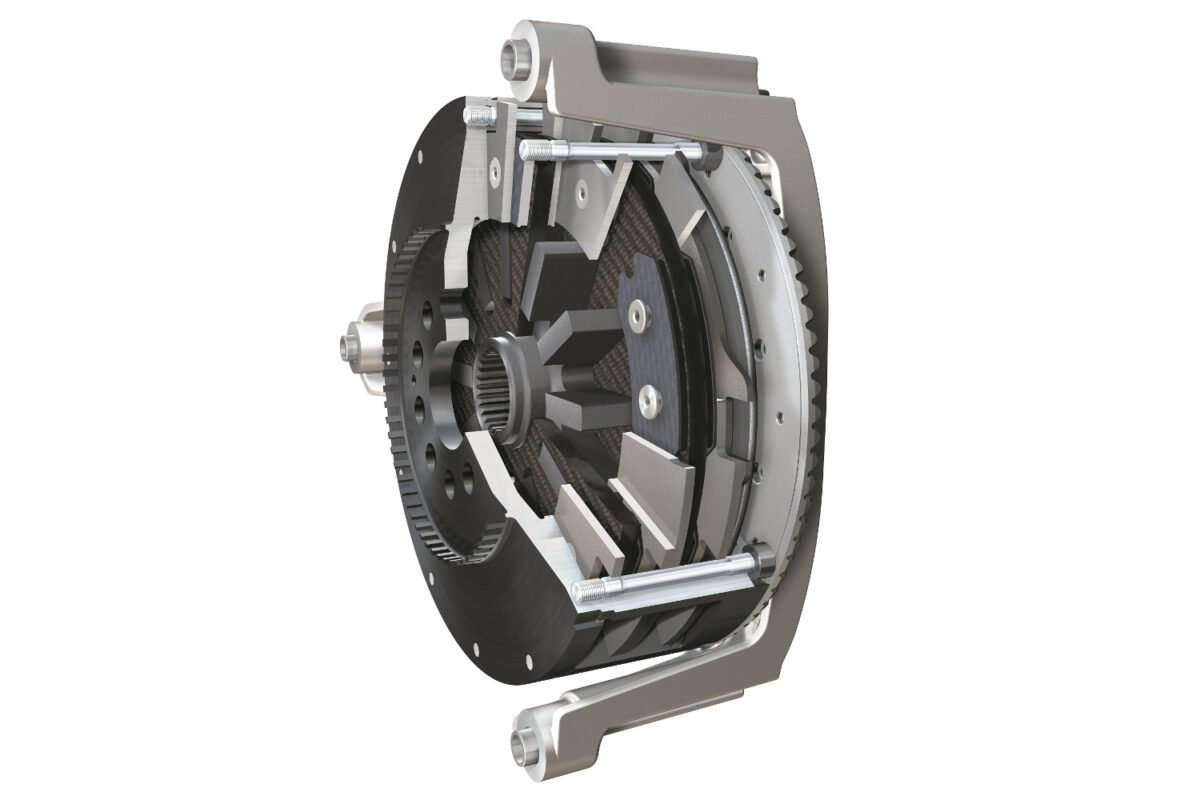
Porsche Ceramic Composite Clutch PCCC. Image by Porsche