Take a Look – 2021 Porsche 911 Turbo S Exterior
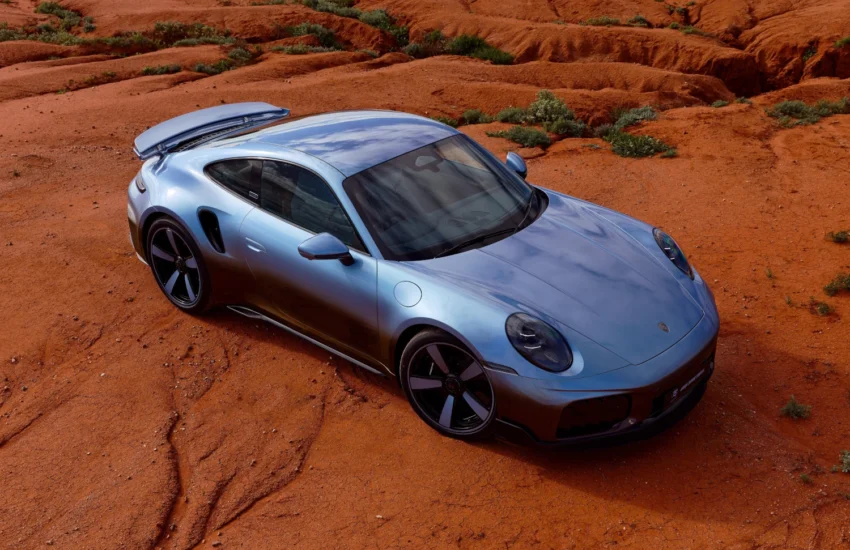
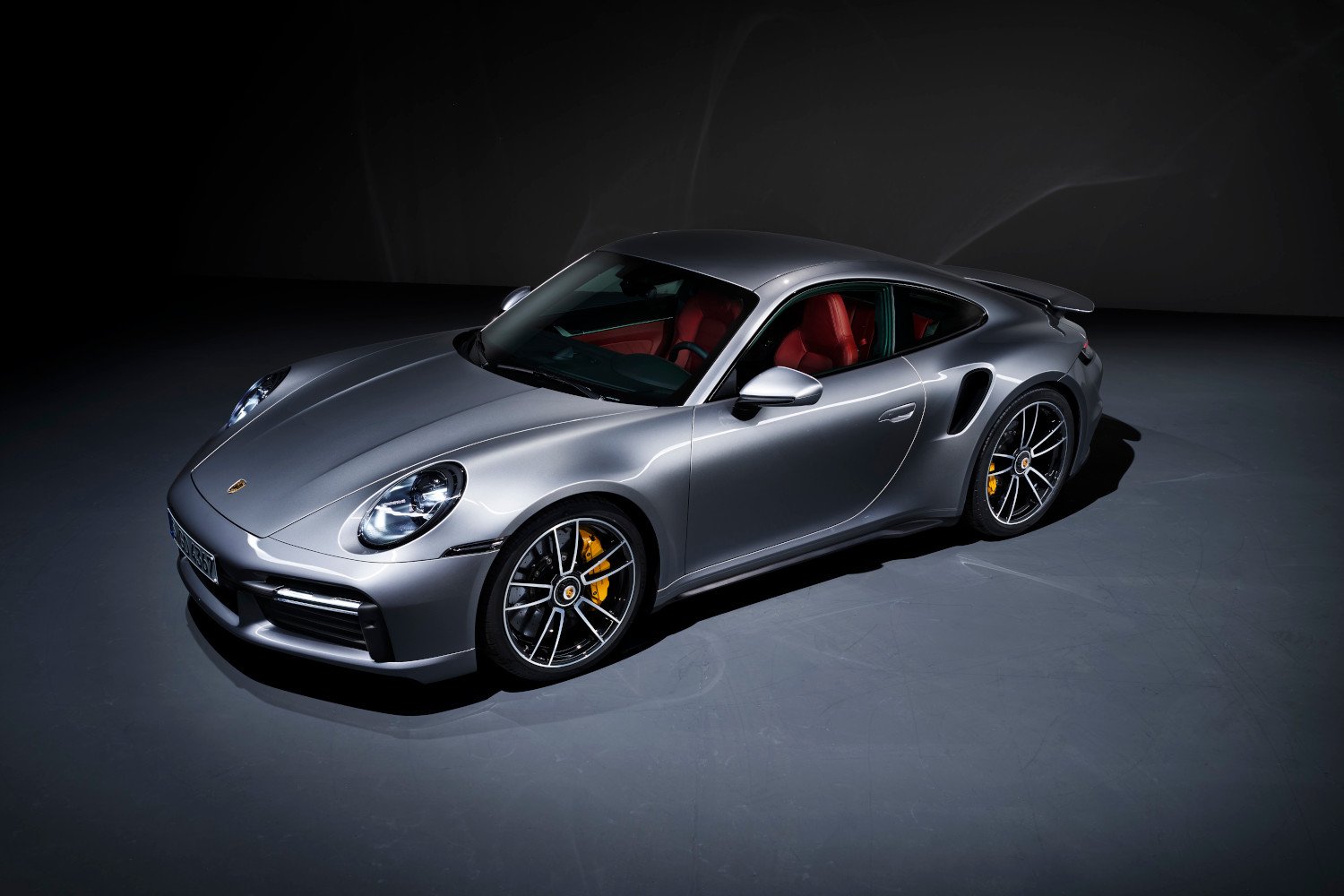
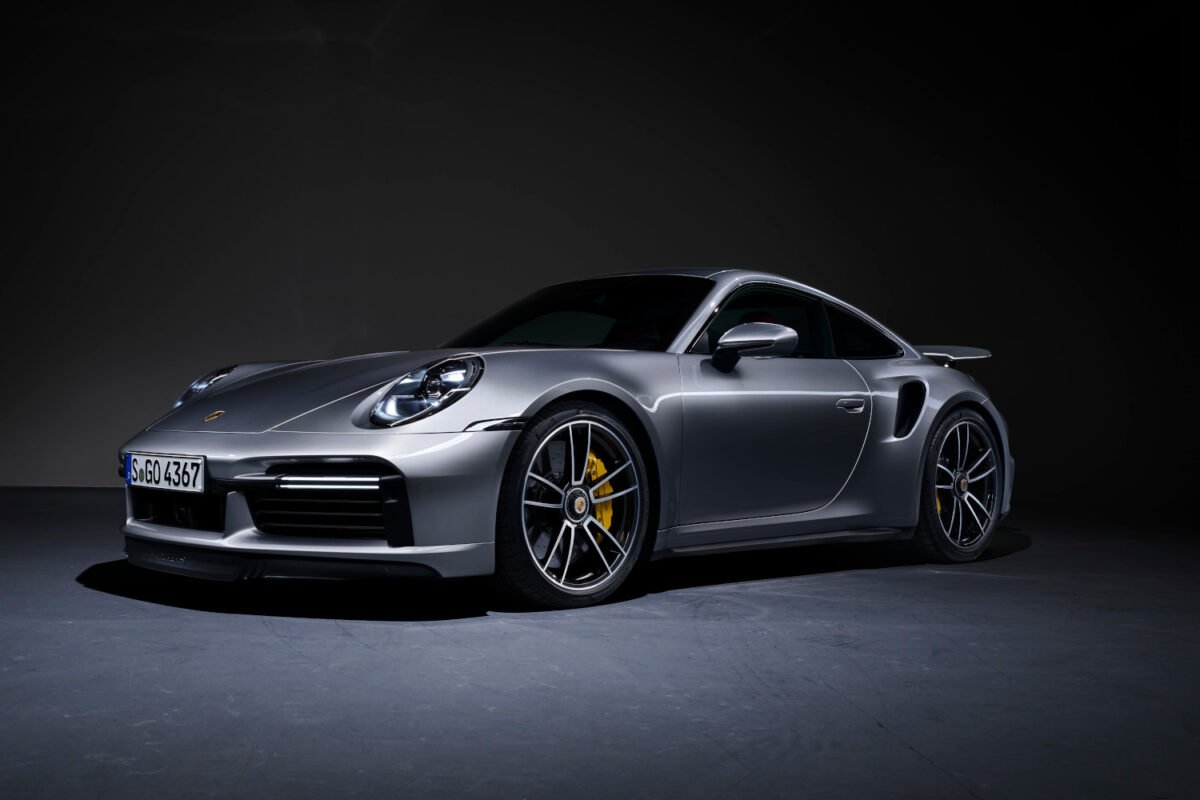
If it’s low, wide and streamlined, you just might be looking at a 992.1-generation Porsche 911 Turbo S. Here are some of the cool details of the 2021 Porsche 911 Turbo S exterior.
2021 Porsche 911 Turbo S Exterior
The new front end with wider air intake openings has a characteristic Turbo look with dual front light modules. Another distinguishing feature of the 911 Turbo S are the standard LED matrix headlights with dark interior inserts. The 84-pixel module for dipped and high beam enables maximum illumination, with more than 300 lux and numerous functions. This allows individual and dynamic control of the headlight range and better illumination in bends.
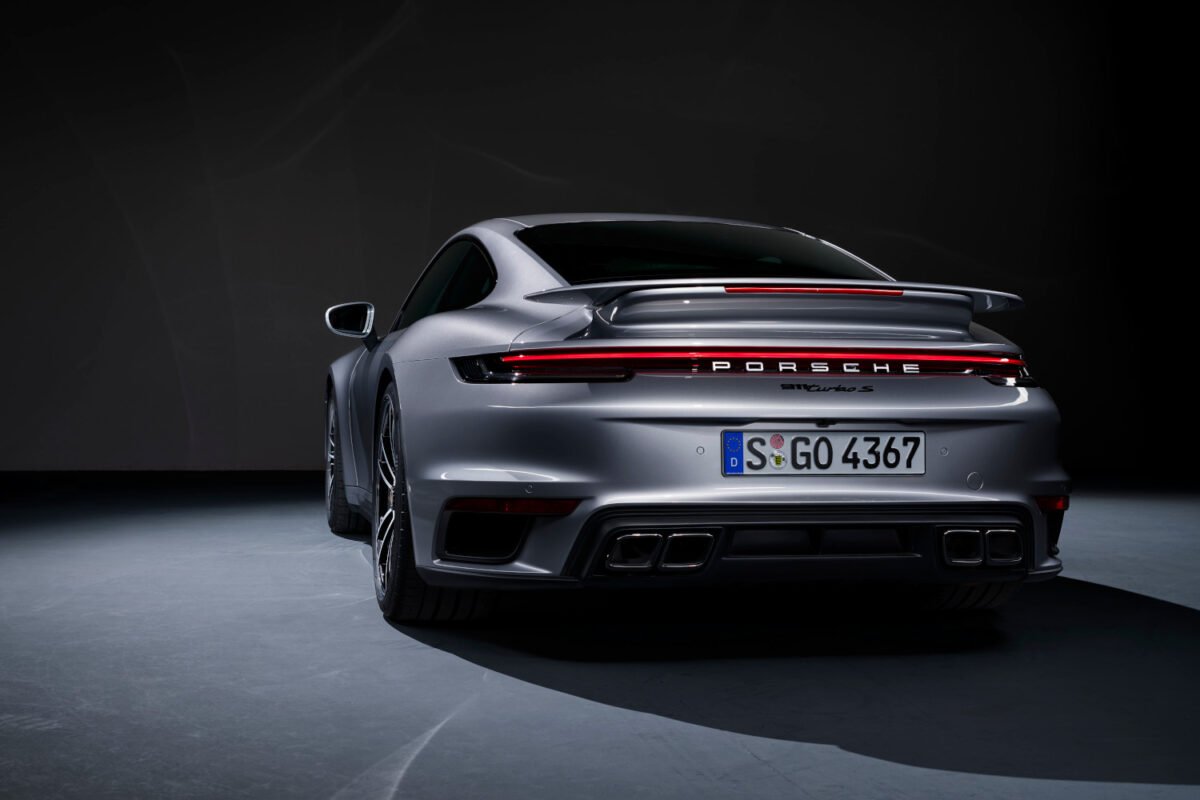
The newly designed, pneumatically extendible front spoiler ensures aerodynamic performance, while the muscular rear wing sections with integrated air intakes emphasise the sleek body. The new rear end, with its typical Turbo-style rectangular twin tailpipes in high-gloss black, rounds off the appearance of the back of the car, together with a tail light bar that is characteristic of the current 911 generation.
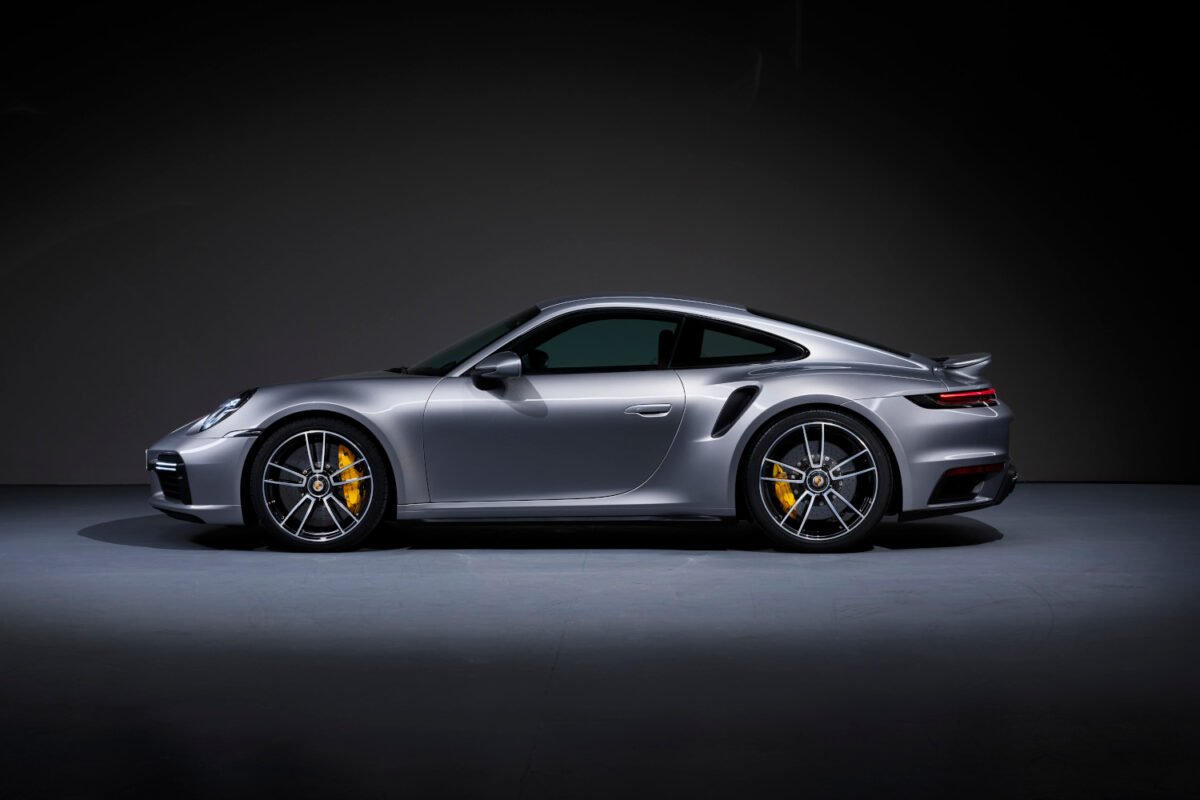
The car looks wide. It’s actually wider than any other 911 before it. The body measures 1,900 mm. The increase in length is moderate. The 2021 Porsche 911 Turbo S is 28 mm longer than the previous model. Track widths have also widened. The track width is 1,583 mm at the front axle and 1,600 mm at the rear. Turbo S comes with mixed tyres with 20-inch whels at the front axle and 21-inch wheels at the rear. The wheels size is 255/35 at the front and 315/30 at the rear.
Adaptive aerodynamics
The newly designed active front spoiler and rear wing have boosted downforce by 15 per cent to guarantee enhanced driving stability and dynamics at higher speeds. Maximum downforce in the performance position (Sport Plus mode activated) is now around 170 kg. When speeds exceed 260 km/h, the rear wing is adjusted to a slightly flatter angle in the performance position. This reduces the maximum load on the rear axle and improves race track performance.
New adaptive aerodynamics functions include Wet mode and air brake. When the weat mode is activated, the aerodynamic control systems then switch the balance to generate a higher downforce on the rear axle, which in turn increases the contact between tyres and road. In addition, the 911 Turbo S features an air brake function. In case of emergency braking at high speeds, the front spoiler and rear wing are moved to the performance position. The higher drag force and increased downforce reduce the braking distance, depending on the initial speed and road conditions.


Images by Porsche